
- 中文
- English
Talk about how LED light suppliers solve the problem of heat dissipation!
Time: 2019-08-15 00:00:00
Author: HONWAY
Click:
LED is known as the fourth generation of lighting light source or green light source, with energy saving, environmental protection, long life, small size and other characteristics, can be widely used in a variety of instructions, display, decoration, backlight, general lighting and urban night scene and other fields. In recent years, the world
LED is known as the fourth generation of lighting light source or green light source, with energy saving, environmental protection, long life, small size and other characteristics, can be widely used in a variety of instructions, display, decoration, backlight, general lighting and urban night scene and other fields. In recent years, some of the world's LED light suppliers around the development of LED has launched a fierce skills competition. Among them, LED heat dissipation has been a problem to be dealt with!
Research data show that, assuming that the LED chip junction temperature of 25 degrees when the light for 100%, then the junction temperature rises to 60 degrees, the amount of light as long as 90%; junction temperature of 100 degrees down to 80%; 140 degrees as long as 70%. It can be seen to improve heat dissipation, control the junction temperature is a very important thing.
In addition to this, the LED heat will make its spectrum shift; color temperature rise; forward current increase (constant voltage power supply); reverse current also increased; thermal stress increase; phosphor epoxy resin aging accelerated and so on, so that the LED heat is the most important issue in the planning of LED lamps. LED chip junction temperature is how the onset of
LED heat is because the electrical energy added is not fully converted into light energy, but part of the conversion into heat energy. That is to say, about 70% of the electrical energy are turned into heat.
Specifically, the onset of LED junction temperature is caused by two factors.
1. Internal quantum power is not high, that is, in the electron and hole complex, and not 100% of the onset of photons, usually called by the "current leakage" and make the PN area carrier compound rate decreases. Leakage current multiplied by voltage is the power of this part, which is converted into heat, but this part does not account for the main components, because the internal photon power is now close to 90%.
2. The internal onset of photons can not be fully shot out to the outside of the chip and eventually converted into heat, this part is the main, because now this is called external quantum power as long as about 30%, most of which are converted into heat.
Although the incandescent light efficiency is very low, as long as about 15lm / W, but it will simply convert all the electrical energy into light energy and radiation out, because most of the radiation energy is infrared, so the light efficiency is very low, but it eliminates the problem of heat dissipation.
LED heat dissipation is now more and more people pay attention to, this is because the LED light decay or its life is directly related to its junction temperature, heat dissipation is not good junction temperature is high, life expectancy is short. High-power LED white light use and LED chip heat treatment methods
Today's LED white light products are gradually used in all major fields into use, people feel the amazing thrill of its high-power LED white light is also worried about the existence of various practical problems!
First of all, from the high-power LED white light of its own nature. High-power LEDs still have poor uniformity of light, closed material life is not long, especially its LED chip heat problem is difficult to get a good deal, and can not play white LEDs are waiting to use the advantages.
Secondly, the price of high-power LED white light from the mall. Today's high-power LED is still an aristocratic white light products, because the price of high-power products is still too high, and skills are still to be improved, so that high-power white LED products are not who wants to use it can be used. The following breakdown of high-power LED cooling-related issues.
In recent years in the industry experts' efforts to high-power LED chip heat dissipation problem put forward the following points to improve the program: 1. 2. Choose to package several small area LED chips. 3. Change the LED packaging materials and fluorescent materials.
So is it after the above three methods will be able to completely improve the high-power LED white light products of the heat problem? It is true! First of all, although we will increase the area of the LED chip, so as to obtain more luminous flux (light per unit time through the number of beams per unit area is the luminous flux, unit ml) expect to reach our desired white light effect, but because of its practical area is too large, and lead to the use of the process and structure of the phenomenon of some plucking. So is it true that high-power LED white light cooling problem can not be dealt with? Of course not impossible to deal with. In response to the negative problems presented by simply increasing the area of the chip, the LED white light industry based on the improvement of the electrode structure and the structure of the overlay crystal and the use of packaging several small-area LED wafers and other methods to improve the surface of the high-power LED chip to reach 60lm / W high luminous flux and low heat dissipation of the luminous power.
In fact, there is a way to improve the high-power LED chip heat dissipation problem. That is, the white light packaging material with silicone resin instead of the previous plastic or organic glass. Replacement package material can not only deal with the LED chip heat dissipation problem can also improve the white LED life, it is a double whammy. I would like to say that simply all high-power LEDs like high-power white LED products should use silicone as the encapsulation material. Why is it necessary to choose silicone as the encapsulation material in high-power LEDs now? Because the absorption rate of silicone for the same wavelength of light is less than 1%. But the epoxy resin to 400-459nm light absorption rate of up to 45%, it is easy to absorb this short wavelength light for a long time after the onset of aging and make light failure severe.
Of course, in the practice of life will also present a lot of problems like high-power LED white chip heat dissipation, because the more widely used high-power LED white will present a deeper and more difficult to solve all kinds of problems! The LED chip is characterized by a very high heat in a very small volume. The heat capacity of the LED itself is very small, so it is necessary to conduct the heat out as fast as possible, otherwise a very high junction temperature will occur. In order to direct the heat out to the outside of the chip as much as possible, people have made many improvements in the chip structure of LEDs. In order to improve the heat dissipation of the LED chip itself, the most important improvement is the use of better thermal conductivity of the substrate material. Like Cree's LED thermal resistance because of the choice of silicon carbide as a substrate, to at least twice the thermal resistance of other companies.
Even if you can deal with the thermal resistance from the wafer to the package material, but because of the package to the PCB board heat dissipation is not good, it is also the formation of the LED chip temperature rise, showing the phenomenon of reduced luminous power. So, like Panasonic in order to deal with such problems, from 2005, including round, linear, face-type white LED, and PCB substrate planning into one, to overcome the problem of heat dissipation may be presented in the package to the PCB board interruption. Therefore, in the face of continuous progress in the current situation, how to add thermal resistance, is also the current stage of the urgent need to be overcome, from all aspects, in addition to the material itself, but also from the chip to the package material between the thermal resistance, thermal conductivity structure, package material to the PCB board between the thermal resistance, thermal conductivity structure, and PCB board heat dissipation structure, etc., these are required to make a holistic consideration.
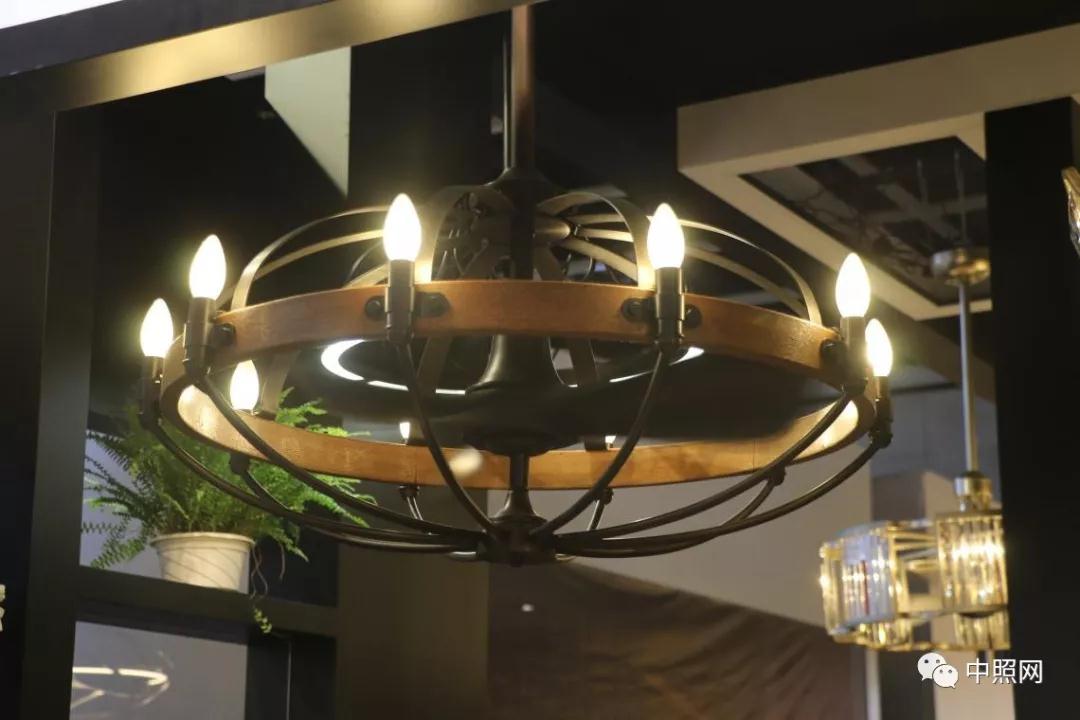
LED lighting fixture heat dissipation questions:
For the now common incandescent bulbs or fluorescent lamps, even if the product itself may be running heat, but the high heat of the components can still be useful isolation, so that the light source and power connector will not be due to heat and the onset of unexpected problems. But solid-state lighting is different, one LED components focus on a single point of operation of high temperature, it is necessary to adopt more active methods for heat dissipation, together with the deployment of active and useful heat treatment mechanism, in order to prevent the onset of problems with lamps. LED solid-state light source heat treatment issues than traditional lamps and lanterns much more messy.
Traditional light sources or lamps and lanterns more than the process of high heat problems, such as halogen bulbs or incandescent bulbs, if the incandescent method, that is, in the special treatment of the lamp ball heated tungsten filament onset of light.
In practice, the high temperature onset in the filament rather than the lamp base, even if the lamp base will be due to the glass or metal by the tungsten filament light radiation heat, heat conduction indirectly high temperature, but the onset of temperature are in the acceptable safety scale, coupled with non-direct touch conduction, safety is also relatively high.
But replaced with LED solid-state light source method of lighting, its heat treatment may become a new use of security issues. Most people will think that LED has a high power conversion power, low drive power advantages, natural use of higher safety, but in practice, LED solid-state light source in order to achieve the use of daily lighting intentions, it is necessary to increase the power of a single group of components to strengthen the output lumen of the unit, such as lighting manufacturers will adopt multi-LED components integration method to strengthen the output effect, and multi-component operation together can also improve the LED solid-state Light source light type tend to point light source problem, so that LED solid-state light source technology lamps and lanterns can be like a light bulb surface light effect. If you want to strengthen the output lumens of the unit, it is necessary to higher current to make the PN surface of the LED chip more lumens, but higher current will also make the temperature of the single point LED components rise, more difficult to deal with, and even in order to improve the light pattern of the lamp embodiment, luminous power and the adoption of multi-component and method, will also make the LED lamps and lanterns of high temperature problems intensified, so that the problem of heat dissipation more difficult to deal with.
Looking at the development trend of LED lamps and lanterns, most manufacturers of LED light sources will mostly take the lead in the market first, because of the high unit price, high profitability, but also by the skill differences to quickly enter the development of skills more avant-garde LED light source shopping mall, for example, for interior decoration, contextual lamps and lanterns using recessed lights, wall lamps, ceiling lights have become more common planning methods of LED light source lamps, its replacement of traditional lamps and lanterns after The power-saving benefits of the replacement of traditional lamps and lanterns are also most valued by the relevant industry.
LED light source lamps have the necessary focus on the thermal processing planning, in perhaps in the closed or semi-close dead cycle use of recessed lights, wall lamps, ceiling lamps products, poses a more demanding challenge, lamp developers must be from the material, product configuration, active / passive heat dissipation mechanism, driver chip planning and other aspects to invest more resources to prevent product problems. In particular, LED embedded lamps and lanterns are small in size, and often adopt multi-component integration, the module's heat dissipation planning is more difficult. Embedded lamps and lanterns housing aluminum extrusion type or heat sink planning, can play the role of self heat dissipation. But this is not enough. LED thermal processing: NTC continuous operation temperature to maintain the safety of the use of LED lights
If the LED lamps and lanterns are not deployed to meet the thermal processing planning, in the process of use may lead to lamps and lanterns because of regular high heat operation to form a sharp decline in life expectancy, the onset of frequent replacement of faulty LED lamps and lanterns, severe cases may even become an accident, due to the high temperature of operation to form a line or is the surrounding decoration fire burning!
In the product development stage, the use of intelligent LED light control skills, through the active monitoring of LED lamps and overall light source module temperature embodiment, simplify the thermal handling of equipment, together with when the lamps and surrounding temperature rises to the section, the lamp has the need to reduce the electrical power, reduce the LED brightness output, so as to improve the safety of the use of LED solid-state light source lamps.
Like LED ceiling lamp housing consider simpler planning method, if the lamp itself uses the driver function is more focused on power conversion and LED component drive, and not embedded temperature control microprocessor and heat dissipation processing module, in order to prevent adding the cost of product raw materials, LED lamps can be integrated NTC (Negative Temperature Coeffient) negative temperature coefficient Thermistor Sensors electricity, is a relatively high cost efficiency of the safety planning program.
The so-called NTC electricity, the intention of its settings is to monitor the temperature of the LED module lamps through the electronic back, through the default temperature warning or corresponding to the active treatment of the driving situation, the use of closed LED solid-state light source module method, to improve the safety of the use of LED lamps, together with NTC electricity can also reduce the planning of chaos. Because the temperature coefficient of NTC electricity is very large, so it can detect the small temperature changes, is widely used in the need to measure, control and compensate for temperature-related electrical planning, and NTC electricity in the LED light module planning, basically for measuring the LED solid-state light source lamps and lanterns around the product temperature changes, as for the measurement of the situation will follow the NTC changes in voltage status, directly measured voltage and NTC The temperature correspondence between the voltage and the NTC.
When the temperature of the NTC and the surrounding electricity or the whole module progresses, the resistance of the NTC electricity then decreases, and the product can respond to the relevant safety control mechanism according to this dependent connection, such as reducing the driving current of the LED light-emitting components or directly forcing the lamp to close the lighting, and actively returning to the lighting condition after the temperature problem of the lamp improves, so as to obtain the safety of the lamp operation. Monitoring the temperature of LED lamps and lanterns can also be introduced into the micro-controller SMD method of manufacturing NTCTHERMISTOR components The aforementioned NTC electric improvement method, if you want to achieve better planning, the deployment of MCU for more detailed safety planning is also a relatively pragmatic approach, in the development project, the LED light source module can be distinguished from the status of the light is normal, whether the light is closed, the deployment of Temperature warning and temperature measurement of the logic of the program to distinguish, to build a more complete intelligent lighting processing mechanism.
For example, if the lamp temperature warning is presented, the temperature measurement of the module temperature is still in the acceptable range, can maintain the normal path, through the natural heat sink to dissipate the operating temperature; and when the warning tells the measured temperature has reached the benchmark of the need to perform active heat dissipation mechanism, at this moment, the MCU must control the cooling fan action, and even when the temperature reaches the value, the system must be directly through the MCU to close the driver supply power, the LED components temporarily stop running, the natural cooling mechanism. LED components temporarily stop running, natural heat dissipation processing. Judgment whether the use of lamps or closed, the use of simple discriminatory bit to do change and understand the current use of the product, the more important is the temperature measurement part, the measured temperature is necessary in real time and the system reference table for comparison, in order to recognize the normal or abnormal degree of the current module condition, calculate the temperature distance, the active corresponding temperature control processing. Similarly, when the temperature enters the zone, the control mechanism should then close the light source, together with the system closed 60 seconds or 180 seconds after the temperature recognition again, to be LED solid-state light source module temperature up to normal values, and then re-drive the LED light source, continue to provide lighting. In summary:
The masses have always attached importance to the use of lamps and lanterns life. If you just rely on the use of low thermal resistance of LED components is not to build outstanding heat dissipation system for the lighting equipment, and it is necessary to usefully reduce the thermal resistance from the PN node to the surrounding environment, in order to greatly reduce the temperature of the PN node of the LED, and the successful practice of extending the use of LED lamps and lanterns life and improve the practical luminous flux policy. In addition; different from the general traditional lamps, the printed circuit board is not only the power supply carrier of LED, but also the heat dissipation carrier of LED, so the heat sink and the heat dissipation planning of the printed circuit board is very important. In addition, luminaire manufacturers must also consider the quality, thickness and size of the heat dissipation material, as well as the processing and connection of the heat dissipation interface.

点击右上角
分享给朋友吧







 Long by picture save/share
0

Address: No. 7 Longshan Road, Taihu County Economic Development Zone, Anhui Province
Address: No. 188 Miaohong Road, Changshu City, Jiangsu Province
Consulting hotline:
0512-5267 9888
0556-4177 999

Address: No. 7 Longshan Road, Taihu County Economic Development Zone, Anhui Province
Address:No. 188 Miaohong Road, Changshu City, Jiangsu Province
Fax: 0512-55171795
Consulting hotline:
0512-5267 9888
0556-4177 999
Follow
—
Copyright HOIVWAY All rights reserved Su ICP No.18029291
